
Build a life management system
A structured way to build it: what the area is for, which few routines carry it, how you review, and how it adapts when life changes. Not another app. A system you run.
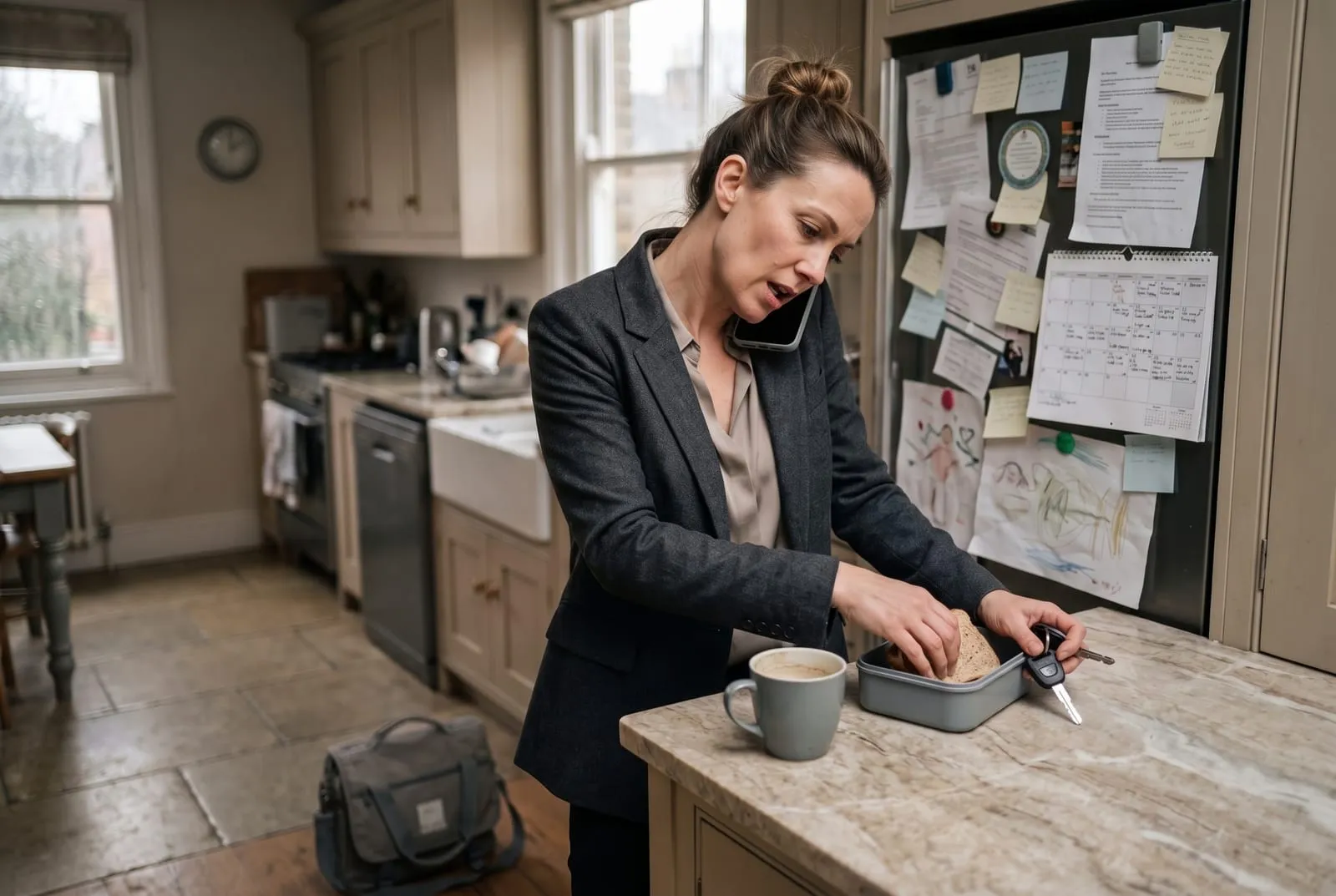
Structure at work, improvisation at home
- You manage complex responsibilities but your personal systems don't match your professional standards.
- Goals, plans and priorities exist, but not in one coherent framework.
- You react to problems instead of reviewing them systematically.
- You struggle to balance improvement, reflection and daily execution.
- You want a living structure for your life. Clear, flexible, future-ready.
Four stages. A system that holds when motivation doesn't.
The logic well-run organisations use for what matters, sized for one person, couple or family. Structured conversations, work between sessions on both sides, and a system you run.
A written System Blueprint: the scope and objectives of the area, the few routines that carry it, the review rhythm, and the principles behind them. Then the system itself, set up and run through its first cycles.
Usually all four sprints in order, each a fixed scope of one to three 90-minute working sessions, online, plus work in between on both sides. You buy the result, not hours. A check-in within 30 days is included.
End a sprint at any point and pay only for what was done by then, never the full fee without the deliverable. Half the fee is invoiced on confirmation and half with the deliverable; if a sprint ends earlier, the difference is settled as a refund or as a final invoice.
Everything stays between us. No third parties, no exceptions unless you ask or the law requires it.
Willpower runs out. Structure doesn't.
Because a resolution has no scope, no routine and no review date; it depends on how you feel that day, and the area slips again the moment life gets busy. A management system fixes that: a clear purpose for the area, the few routines that carry it, and a review rhythm that catches drift early. Not more to do. A clearer way to do what matters, and it keeps working when motivation doesn't.
An advisor, not a coach
PhD, Global Executive MBA. I have advised organisations and leaders on high-stakes choices for over a dozen years and now bring the same methods to individuals at career and life crossroads. Structure, proven methods, and empathy. No hidden agenda, no upsell.
More about meQuestions people ask
Can someone else take part: my partner, a parent, a co-founder?
Yes, when the question is theirs too. We agree at the start which sessions we hold together and which you take alone, because some thinking is easier without an audience. What is said in an individual session stays there, and the result is written for the person whose situation it is.
Will I depend on you to keep the system running?
No, and the last stage is designed to make sure of it. The system lives in your own tools, with a short operating manual, and the check-ins thin out as it becomes simply how things work. If life changes and the system needs a redesign, you know how to do it, or you come back for one sprint. What you will not need is a standing appointment.
The Live the System sprintWhat happens between the sessions?
The larger part of the work. I structure, research, model and write while we are not meeting, and there is usually something on your side too: a document to find, an option to test, a conversation to have. I say what I need and why, so that a session starts where it should.
Is this coaching or therapy?
Neither. Therapy works on how you feel and where that comes from. Coaching works on habits, performance and goals. Here we work the problem itself: the facts, the options, what you value, the risks, and what each path would ask of you. The methods come from strategy, governance, risk management and decision analysis. If what you need is treatment or support with your mental health, that is another profession, and I say so.
Talk it through before you decide anything
30 minutes, online. We look at your situation, I tell you honestly whether structured advisory would help, and you decide. No preparation needed.

Dr. Dominik LangerYou are writing to me directly. I reply personally.